

Introduction: A Museum that Speaks Through Design
In the heart of South Mumbai stands one of India’s most magnificent cultural institutions—the Prince of Wales Museum, officially renamed the Chhatrapati Shivaji Maharaj Vastu Sangrahalaya (CSMVS). Beyond housing priceless art, sculptures, and historical artifacts, the museum itself is a story carved in stone. Its stunning Indo-Saracenic architecture, designed by George Wittet, is more than just aesthetic brilliance—it symbolizes a unique blend of Indian tradition and British colonial influence. Each dome, arch, and motif carries history, culture, and a deeper narrative about Mumbai’s evolution as a global city.
This blog unravels the story of its architecture, exploring how the Prince of Wales Museum is not just a repository of history but a masterpiece in itself.
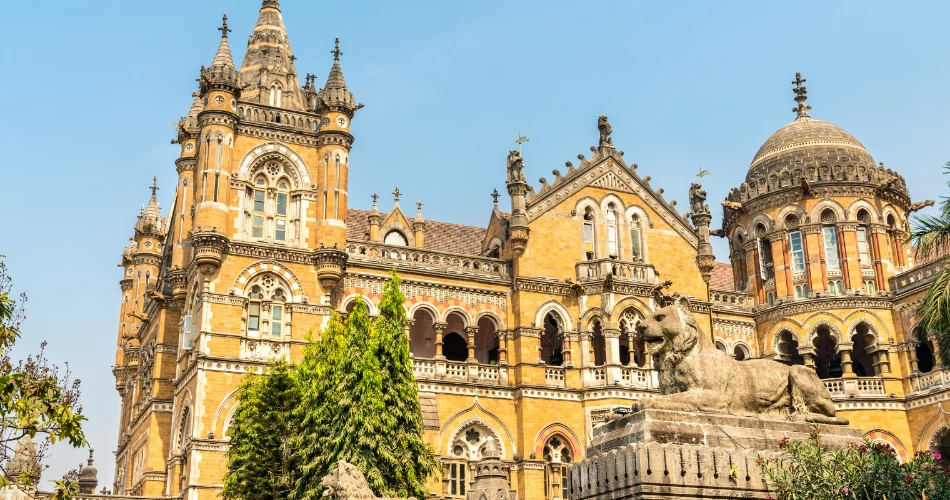
The Birth of a Cultural Landmark
The foundation of the Prince of Wales Museum dates back to the early 20th century. It was conceived to commemorate the visit of Prince George V to India in 1905. Construction began in 1906 and was completed in 1914, though the museum opened to the public only after World War I in 1922. The British administration intended the museum not just as a building to showcase India’s past but also as a monument to colonial grandeur.
The museum’s design reflects the ambitions of that era—bringing together local artisanship with imperial architectural tastes. Its location near the Gateway of India further emphasizes its symbolic role in showcasing Mumbai as the jewel of the British Raj. Over the years, however, the museum has shed its colonial identity and emerged as a proud representation of Indian heritage, embracing its new name while retaining the soul of its architecture.
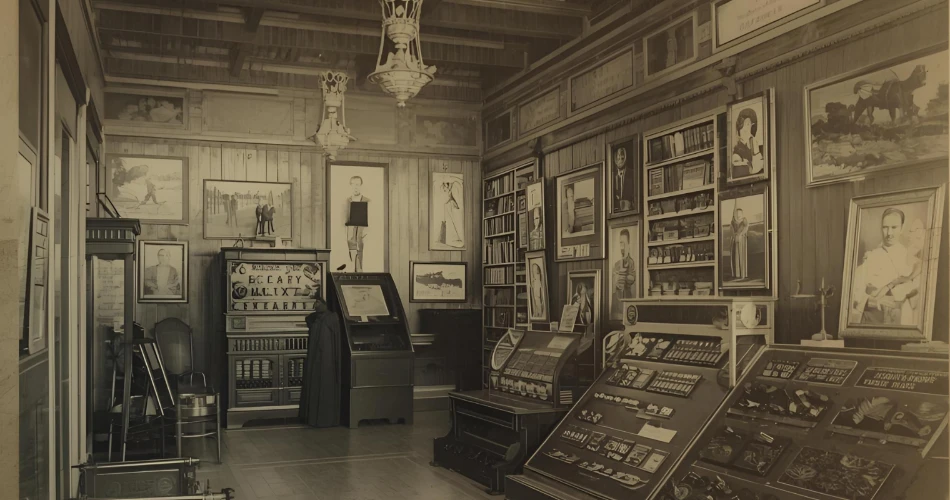
Indo-Saracenic Architecture: A Style That Blends Worlds
The museum is a textbook example of Indo-Saracenic architecture, a style developed during the late 19th and early 20th centuries. This hybrid architectural form combined Gothic and Neo-Classical styles with Indian and Islamic design traditions.
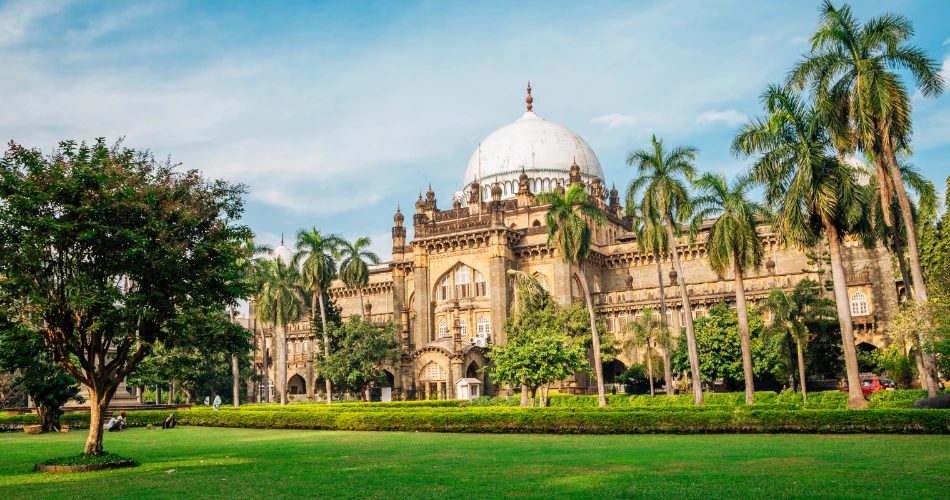
The museum’s grand central dome, inspired by the Gol Gumbaz of Bijapur, is its most striking feature. Around it are smaller domed pavilions, pointed arches, balconies, and decorative stonework reminiscent of Mughal and Maratha influences. The use of basalt and Kurla stone gives the building both strength and elegance. The symmetry of its design creates a sense of balance, while its ornamentation tells stories rooted in India’s cultural diversity.
Indo-Saracenic architecture was more than just aesthetic—it was political. It represented the British desire to connect with Indian traditions while still asserting colonial authority. In today’s context, however, it is celebrated as a bridge that preserved architectural beauty from multiple traditions, making the museum itself a cultural artifact.
Symbolism in Stone: What the Details Reveal
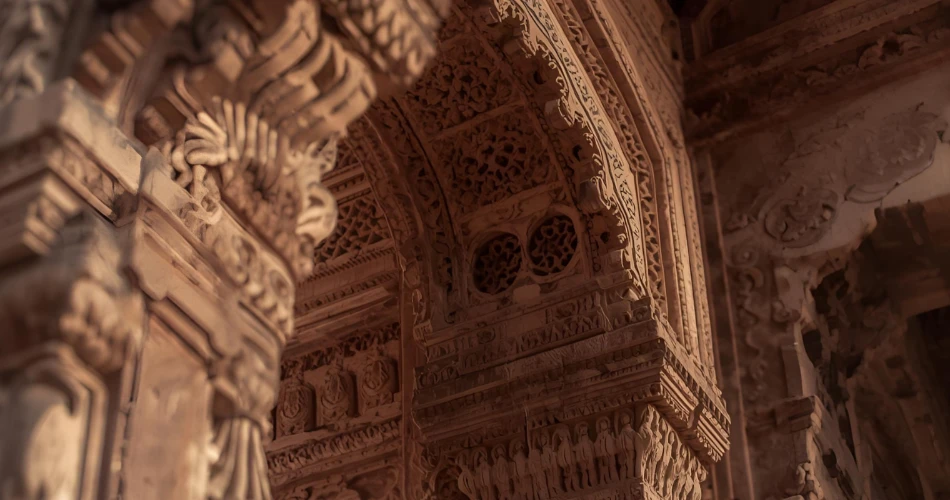
Every corner of the Prince of Wales Museum is filled with symbolic details. The central dome represents power and eternity, while the intricate jaali (lattice) work allows light to play across the interiors, symbolizing knowledge and enlightenment.
The museum’s decorative elements—such as motifs of flora, fauna, and geometric patterns—represent India’s deep artistic traditions. The verandas and arched windows are both aesthetic and functional, designed to provide ventilation in Mumbai’s humid climate. The fusion of local craftsmanship with Western architectural engineering highlights a dialogue between tradition and modernity.
Even the surrounding gardens were designed to complement the structure, creating a serene ambiance that frames the museum as not just a building but an experience. The architectural narrative here is not accidental—it was crafted to make visitors pause, reflect, and appreciate India’s cultural legacy.
The Museum Interiors: Architecture Meets Display
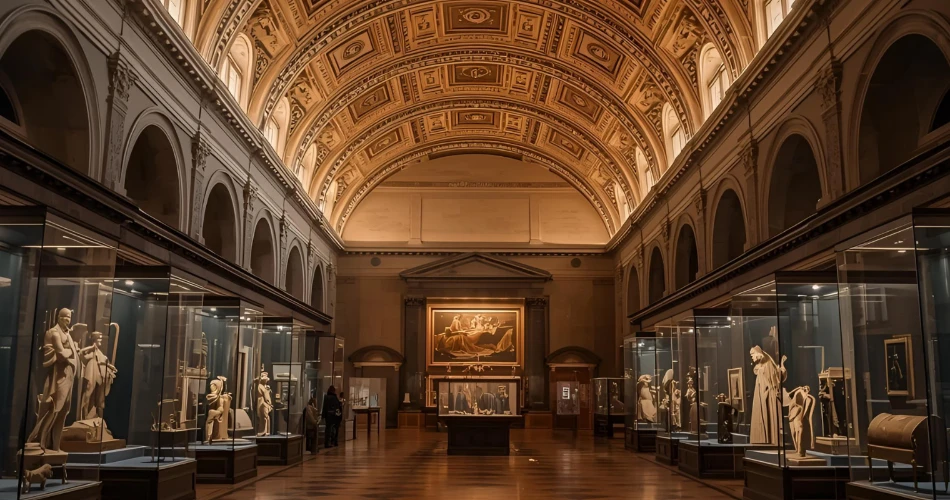
While the exterior commands attention, the interiors of the museum are equally compelling. High ceilings, vast galleries, and natural light streaming through the arches create an atmosphere of openness. The use of marble and wood adds warmth and grandeur.
The design of the interior spaces was carefully planned to accommodate diverse collections—from miniature paintings and sculptures to natural history specimens. The flow between halls ensures that visitors not only see artifacts but also experience them in a thoughtfully curated architectural environment.
Walking inside the museum feels like stepping into a dialogue between past and present, where the building itself becomes part of the exhibition. Every gallery is framed by architecture that enhances the storytelling power of the displayed objects.
Transformation Over the Years
The Prince of Wales Museum has undergone several transformations. With its renaming in 1998 to Chhatrapati Shivaji Maharaj Vastu Sangrahalaya, the museum embraced an Indian identity while preserving its historic architecture. Renovations and expansions have carefully balanced modernization with preservation, ensuring the building continues to function as a world-class museum without compromising its heritage.
Today, the museum is not only a tourist attraction but also a center for education, research, and conservation. The architecture, once a symbol of colonial pride, now stands as a shared heritage that belongs to Mumbai and India at large.
Why the Architecture Matters Today
In a rapidly modernizing city like Mumbai, the Prince of Wales Museum serves as a reminder of the importance of preserving heritage. Its architecture tells a story not only of colonial times but also of India’s resilience in reclaiming and reinterpreting history.
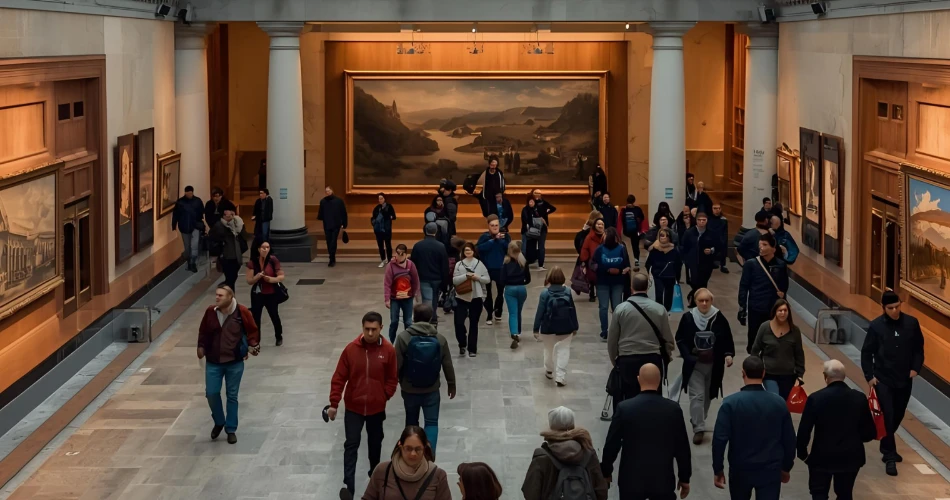
For tourists, it is a window into India’s artistic and architectural traditions. For architects and historians, it is a case study of cultural fusion. For locals, it is a landmark of identity and pride. By maintaining the museum’s architecture, Mumbai safeguards a part of its cultural soul.
The museum is more than stone and mortar—it is a storyteller, silently narrating the journey of a city and a nation.
Conclusion: A Living Monument of Stories
The Prince of Wales Museum, now CSMVS, is not just a place to house artifacts—it is itself an artifact, a masterpiece of Indo-Saracenic architecture. Its story is etched in domes, arches, and motifs that continue to inspire awe.
As Mumbai evolves, the museum stands as a living monument, reminding us that architecture is not only about buildings but also about the stories they carry. To walk through its gates is to step into history, art, and culture, all held together by stone that speaks.